

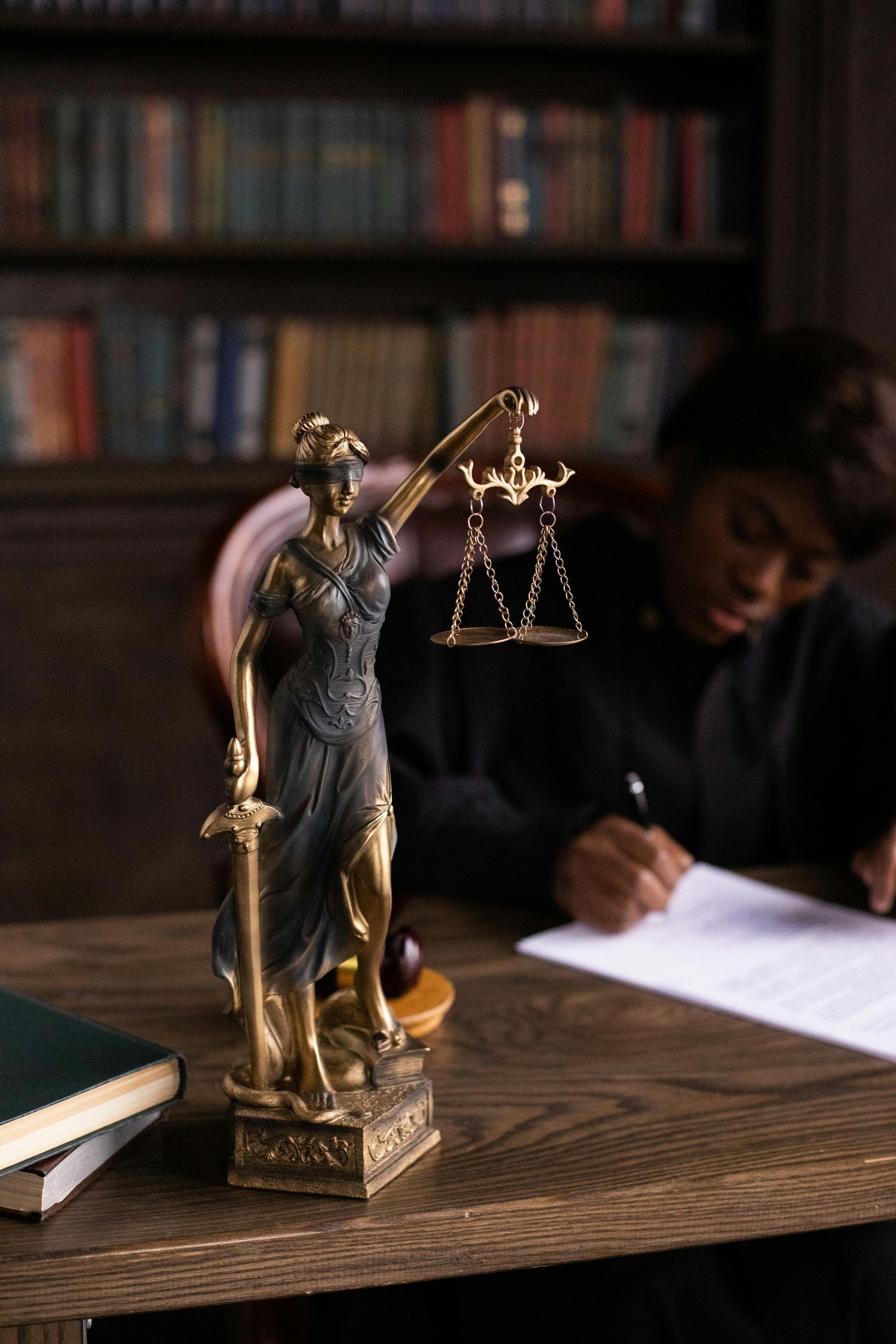
Physical Contact Can Lead to Serious Charges
Battery charges in Tampa, Florida carry jail time, fines, and consequences that last for years.
Battery in Florida is defined as intentional and unwanted physical contact with another person. It does not require an injury. A push, a shove, or any touching done in anger or without consent can result in a battery charge. If you are arrested for battery in Tampa, you may be held in custody until your first appearance, and the court may issue a no-contact order that restricts where you can go and who you can see. Simple battery is a first-degree misdemeanor, but charges can be elevated to aggravated battery or felony battery if a weapon was used, if the victim was pregnant, or if serious bodily harm occurred.
Marc A. Joseph, P.A. represents clients charged with simple battery, aggravated battery, and felony battery throughout Florida. Defense strategies depend on the facts of your case and may include mutual combat, defense of others, consent, or challenging the credibility and consistency of witness statements. In some cases, surveillance video, medical records, or text messages reveal that the alleged victim exaggerated the encounter or provoked the contact. Early intervention can lead to reduced charges or dismissal when the evidence does not support the state's version of events.
If you have been charged with battery in Tampa or anywhere in Florida, contact Marc A. Joseph, P.A. to review your case and begin preparing your defense.
What Battery Charges Mean and How They Are Defended
Battery charges in Tampa are prosecuted in Hillsborough County courts, where local procedures and caseloads shape how quickly cases move forward. The state must prove that you intentionally touched or struck another person against their will. Aggravated battery involves the use of a deadly weapon or intentional infliction of great bodily harm, and it is prosecuted as a second-degree felony with up to fifteen years in prison. Felony battery occurs when the victim suffers permanent disfigurement or disability, and it carries the same sentencing range.
After you hire Marc A. Joseph, P.A., you will receive a clear explanation of the charges, the evidence the state has gathered, and the defenses that apply to your situation. You will also learn about collateral consequences such as employment restrictions, firearm prohibitions, and professional licensing issues that can follow a conviction.
Defense preparation includes reviewing arrest reports, interviewing witnesses, and obtaining video or physical evidence that contradicts the allegations. In some cases, the alleged victim has a history of making false reports or has an ongoing dispute with the accused. In others, the contact was accidental or occurred during a mutual fight where both parties were equally involved. Florida law does not protect someone who provokes a confrontation and then claims to be a victim.
Battery charges bring immediate consequences and long-term concerns. These are some of the questions that come up when people are trying to understand what happens next.
What People Want to Know After Being Charged
Marc A. Joseph, P.A. handles battery cases across Florida, including those involving disputed facts, self-defense claims, and evidentiary weaknesses. If you are facing battery charges in Tampa or elsewhere in the state, reach out to discuss your case and start building your defense.